

A Practical Mental Health Training for Modern Workplaces
Self-care is often treated as a perk.
In reality, it’s a professional competency.
SELF CARE Framework™
The SELF CARE Framework™ is a structured training that helps organizations integrate emotional regulation, cognitive flexibility, and effective communication into everyday workplace culture — without turning the workplace into therapy.

The Reality Organizations Are Facing
Most workplaces are already impacted by mental health — whether it’s named or not.
You may notice:
Burnout despite wellness initiatives
Conflict that isn’t about the surface issue
Leaders carrying emotional labor without tools
High performers quietly disengaging
EAP resources going underused
Teams lacking shared language for stress and accountability
Mental health isn’t absent.
It’s simply unmanaged.
A Different Approach to Workplace Wellness
The SELF CARE Framework™ translates evidence-based therapeutic principles into practical professional skills.
This is not therapy.
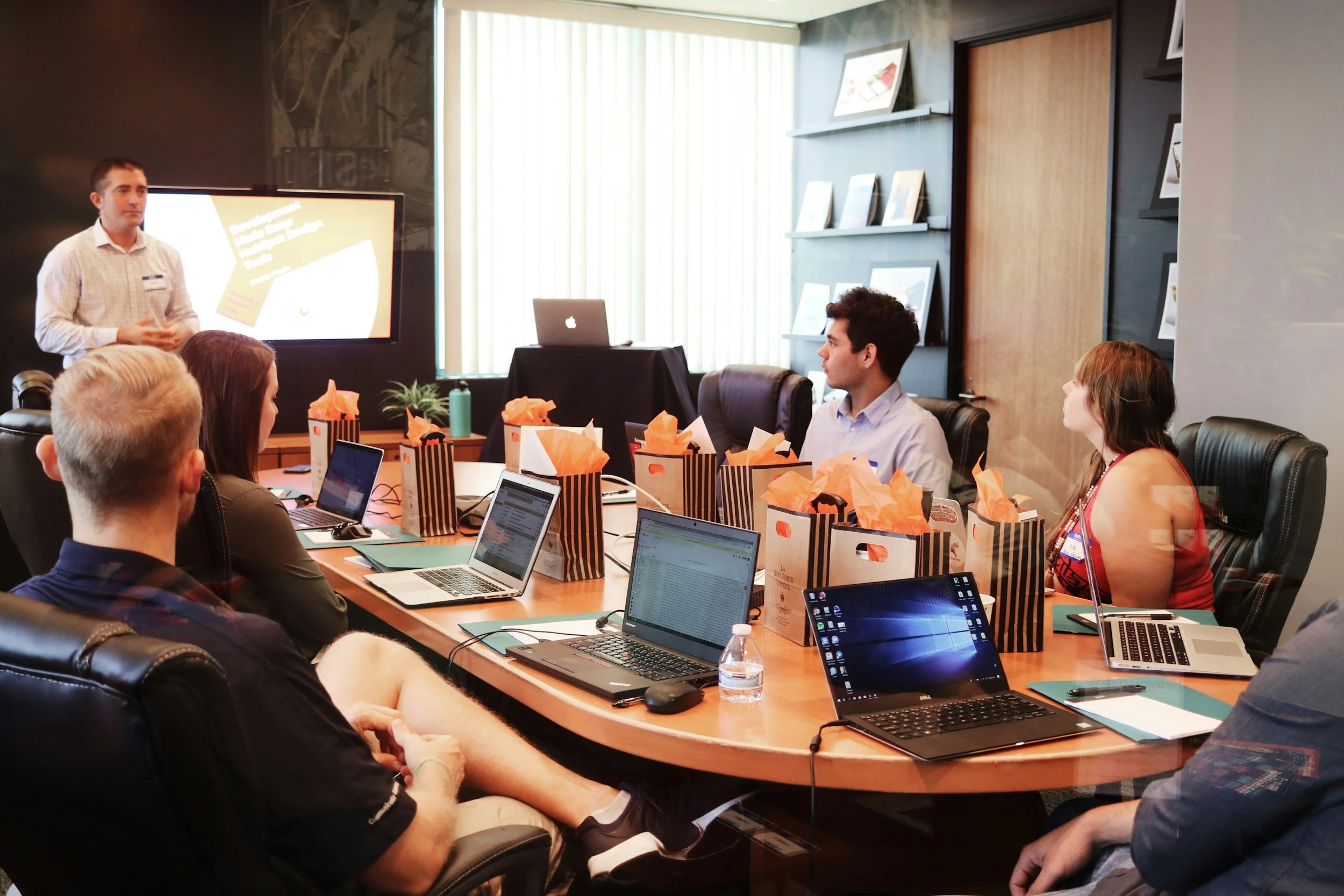
This is psychological literacy for people responsible for outcomes, relationships, and decision-making.
Participants learn how to:
Regulate under pressure
Recognize and shift unhelpful thinking patterns
Communicate without escalation
Maintain boundaries without disengagement
Reduce codependent work dynamics
Strengthen internal accountability
Self-care becomes behavioral — not theoretical.
What Is the SELF CARE Framework™
The SELF CARE Framework™ is a structured training model that simplifies complex therapeutic concepts into tools professionals can apply immediately in their roles.
The framework draws from established behavioral science and emotional regulation research while remaining accessible to both clinical and non-clinical audiences.
It supports growth across:
Leadership development
Team dynamics
Customer and client interactions
High-stress professions
Clinical supervision environments
Organizational culture initiatives
This is personal development as professional development.
Why This Training Is Different
Many wellness initiatives inspire.
Few build lasting skill.

The SELF CARE Framework™ focuses on retention, application, and shared language across teams.
Organizations gain:
Consistent emotional vocabulary
Reduced interpersonal escalation
Stronger leadership modeling
Increased psychological safety
Clearer boundaries
Sustainable performance habits
This work strengthens environments — not just individuals.

Organizational Impact
When teams develop emotional regulation and cognitive flexibility, measurable shifts occur.
Organizations often experience:
Improved engagement
Stronger leadership clarity
More effective conflict resolution
Increased team cohesion
Reduced emotional reactivity
Healthier professional boundaries
Greater retention and morale
Investment in psychological skill-building supports productivity, culture, and long-term sustainability.
Ready to strengthen emotional regulation, communication, accountability, and workplace culture?
Complete the interest form below and let's explore how the SELF CARE Framework™ can support your team, leadership group, or organization.

Who This Training Serves
The SELF CARE Framework™ is designed for any environment responsible for people.
Common partners include:
Healthcare systems
Corporate organizations
Nonprofits
Government agencies
Law enforcement and first responders
School systems
Clinical teams and supervisors
Startups and high-growth companies
Leadership groups
If your organization depends on human capacity, this applies.
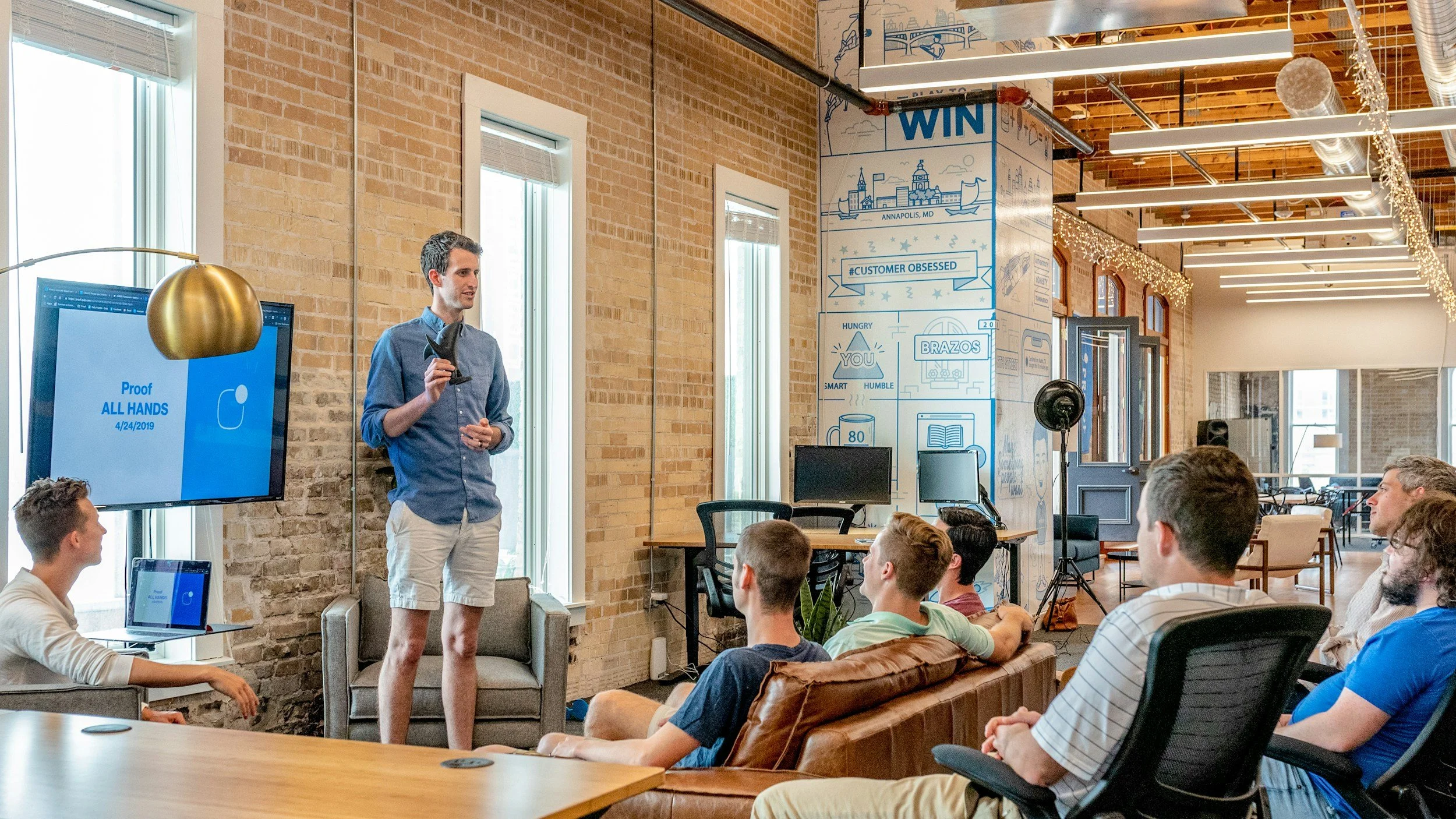
Training Formats
The framework can be delivered in flexible formats depending on organizational needs.
Options include:
Two-Part Workshop Series
Half-Day Intensive
Full-Day Immersion
Leadership-Focused Training
Ongoing Organizational Integration
Clinical CEU-Eligible Training (when applicable)
Custom implementation planning is available.
Ready to Build a More Resilient Workplace?
Organizations that invest in psychological skill-building create stronger leaders, healthier teams, and more sustainable performance. Let's discuss whether the SELF CARE Framework™ is a fit for your organization.
About the Facilitator
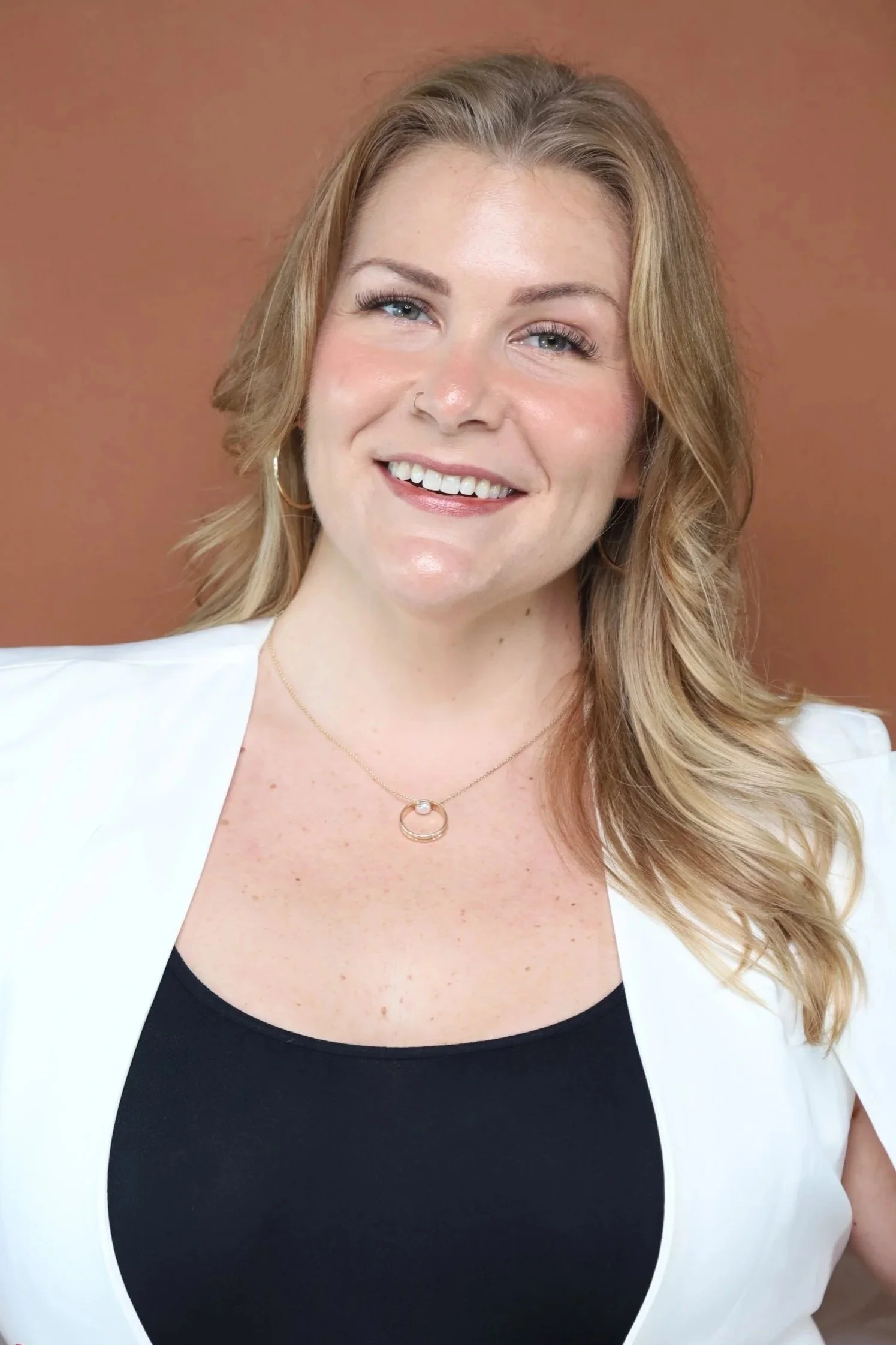
FounderSara Wilder, LCSW, LCAS
Sara Wilder is a Licensed Clinical Social Worker, Licensed Clinical Addictions Specialist, clinical supervisor, and creator of the Fresh Perspective Program.
Her work bridges clinical practice, recovery education, and organizational consulting to help professionals apply therapeutic principles to their own lives and leadership.
Her approach centers on one belief:
Ethical environments are built by regulated people.
This training is not about fixing employees.
It is about strengthening systems.